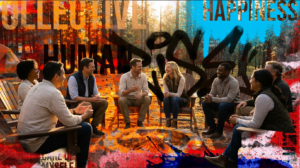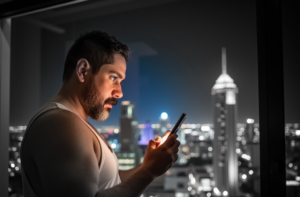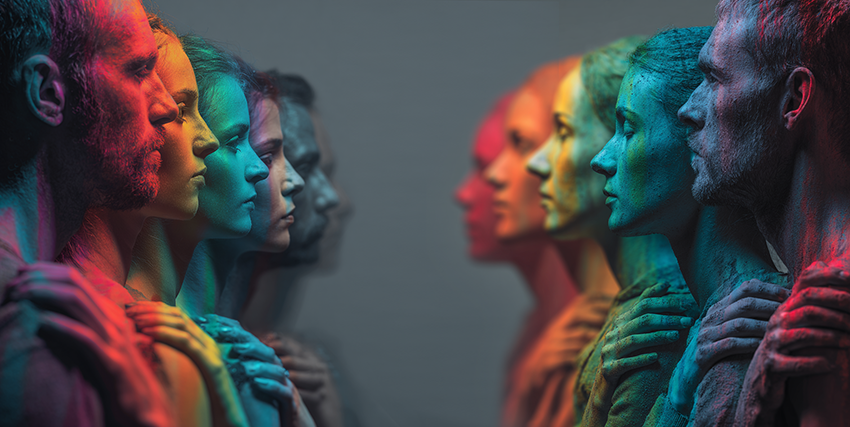

Beyond the Screen: The Return of Real Queer Spaces Why micro-communities are becoming the true heart of LGBTQ+ belonging again On any given night in Dallas, thousands of conversations unfold silently through screens. Profiles are swiped, messages are typed, reactions are sent. Connection has never been faster, easier, or more accessible. And yet, many LGBTQ+ people share the same quiet feeling: something essential is missing. For years, digital spaces helped queer communities find visibility and voice. Apps and social platforms opened doors that once felt impossible to reach. They allowed people to discover identity, explore connection, and feel less alone — sometimes for the very first time. But visibility, as many are now realizing, is not the same as belonging. Across Dallas — and in cities around the world — a subtle shift is happening. People are moving beyond the endless scroll and rediscovering something older, simpler, and deeply human: gathering in real spaces with real people.
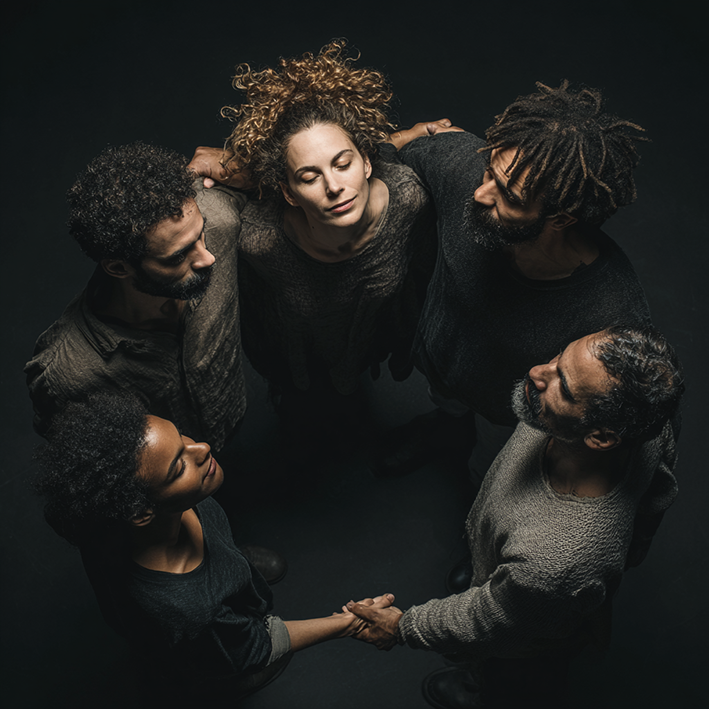
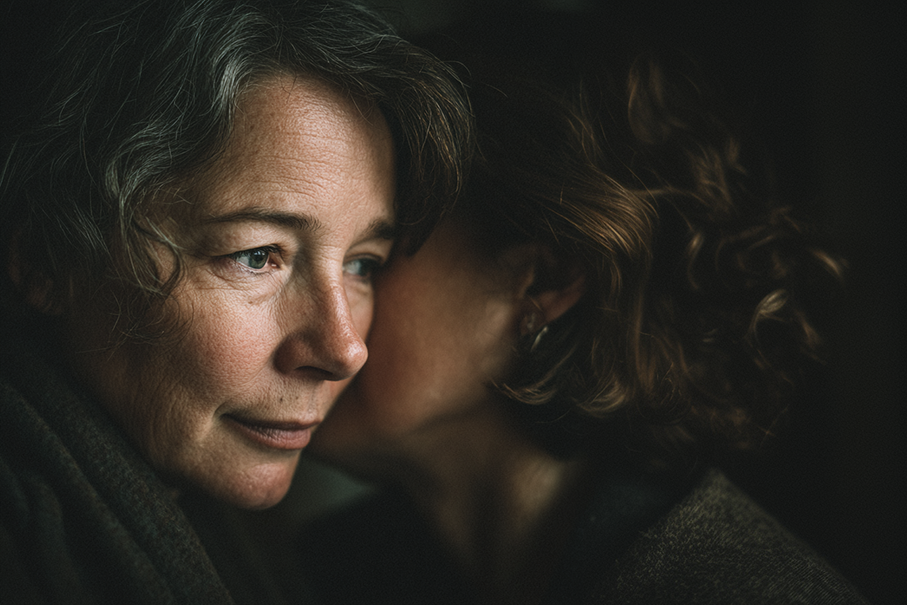
These are not necessarily large Pride festivals or crowded nightlife scenes. Instead, belonging is taking shape through micro-communities — smaller groups formed around shared interests, mutual care, and repeated encounters. A weekly trivia night. A running group that meets every Saturday morning. A bear gathering where faces become familiar year after year. A coffee shop where staff remember your name. An art circle, a book club, a chosen family dinner. In these spaces, connection grows slowly. Recognition replaces performance. Conversations last longer than notifications. Dallas, often seen only through its scale and energy, has quietly become fertile ground for these intimate communities. Beneath the city’s fast pace exists a network of gatherings built not by algorithms, but by people choosing to show up — again and again. What makes micro-communities powerful is not exclusivity, but continuity. Belonging happens through repetition: seeing the same faces, sharing ordinary moments, and feeling safe enough to be unguarded. Identity stops being something announced and becomes something lived. This return to physical community also reflects a broader emotional need. After years of hyperconnectivity, social fatigue, and cultural polarization, many LGBTQ+ individuals are seeking environments that feel grounding rather than performative. Smaller spaces offer something digital environments often cannot — presence, nuance, and genuine care. Micro-communities are not a step backward from progress. They are an evolution of it. A reminder that while technology connects us, community sustains us. Perhaps the future of queer life isn’t defined by bigger platforms or louder visibility. Perhaps it lives in smaller rooms, familiar laughter, and the comfort of being known without explanation. At its heart, belonging has never been about how many people see us — but about where we are truly seen. And maybe that is what spaces like Howdyall hope to celebrate: not just where to go, but where we can find each other.

Leave a Reply

Your email address will not be published. Required fields are marked *