At Howdyall, we believe culture should never be distant or exclusive.
Art belongs to everyone.
Our commitment is to make the stories of great artists and creative movements accessible — the very forces that paved the cultural paths we walk today.
Art saves, connects and liberates.
Through this column, we celebrate artists who expand the limits of imagination and identity — voices that challenge conventions and invite us to see the world with deeper curiosity.
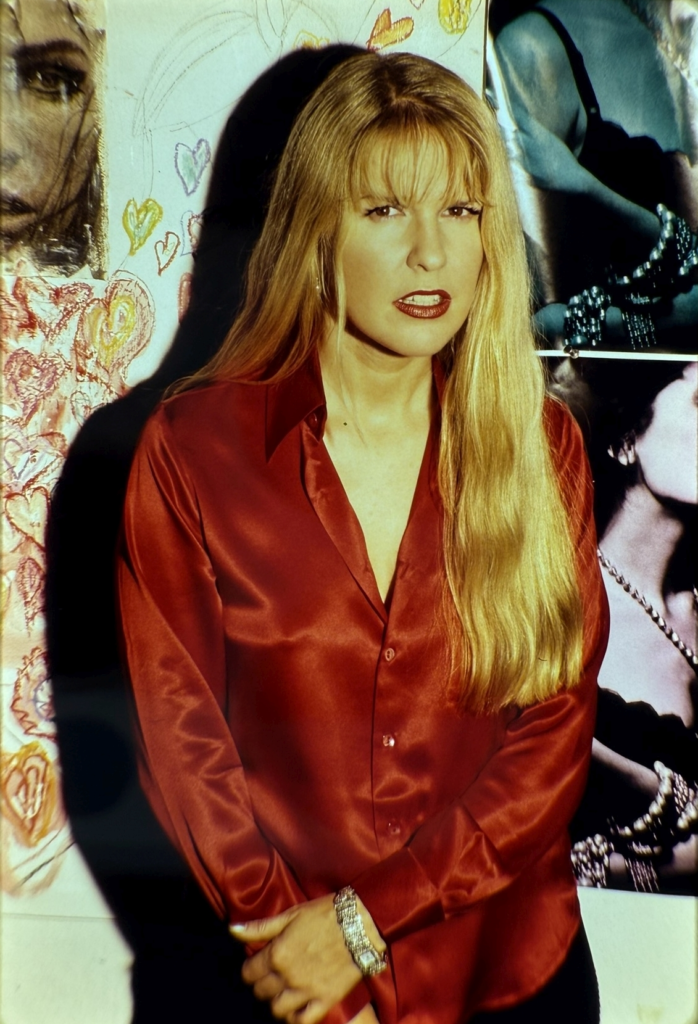
Copyright Doris Kloster - self portrait 1995
Doris Kloster
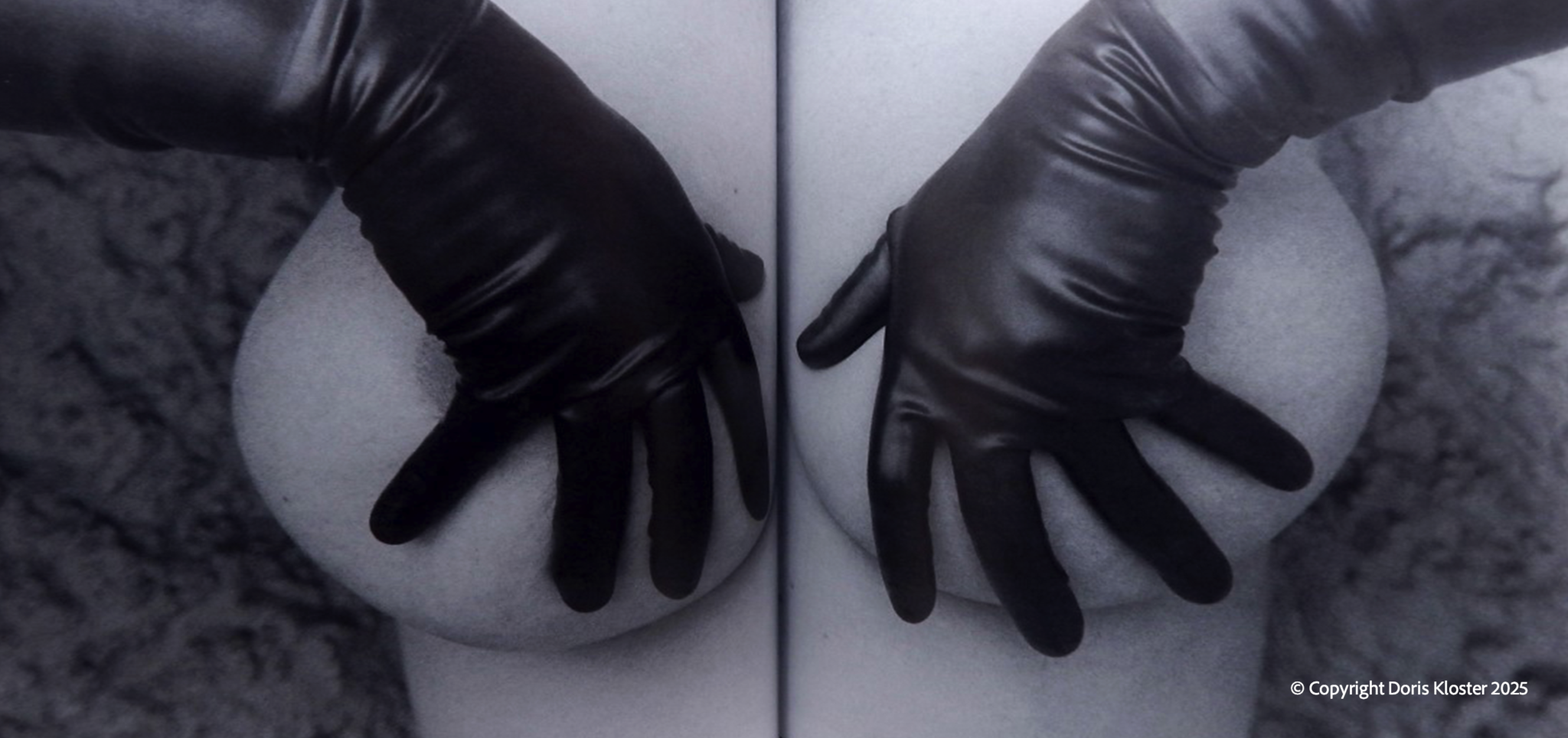
Art has long been one of humanity’s most powerful forms of expression. Through it, societies question norms, explore identity, and test the boundaries of what is considered acceptable. While some artists work within the conventions of their time, others subtly redefine them. Doris Kloster is one of those artists. A photographer, painter, sculptor, editor, and filmmaker, Kloster has built a career exploring the spaces where aesthetics, power, intimacy, and identity converge. Her work moves through themes of eroticism, ritual, vulnerability, and authority, always with a refined visual language that transforms subjects often seen as taboo into layered artistic narratives. At a time when discussions around gender, sexuality, and identity continue to expand, Kloster’s work feels remarkably ahead of its era.
A Life Between Art Capitals
Born in the United States, Doris Kloster studied art history and visual arts at several prestigious institutions, including Boston University, Ludwig-Maximilians-Universität in Munich, and the Art Institute of Boston. She later earned a Master of Arts in Studio Art from New York University’s Steinhardt School of Culture, Education, and Human Development. Since the early 1980s, her career has developed across major cultural capitals such as New York, Paris, London, and Milan, positioning her at the intersection of American and European contemporary art. Interestingly, Kloster’s earliest photographic works were far from provocative. They focused on sacred images captured inside German Baroque churches, examining architecture, light, and spirituality. That early interest in ritual and symbolism would later grow into a more daring and distinctive artistic language.
Documenting Hidden Worlds
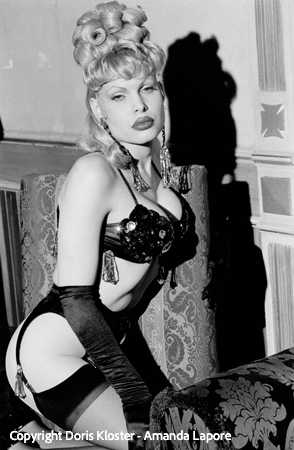
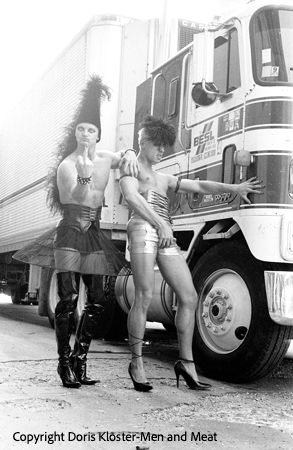
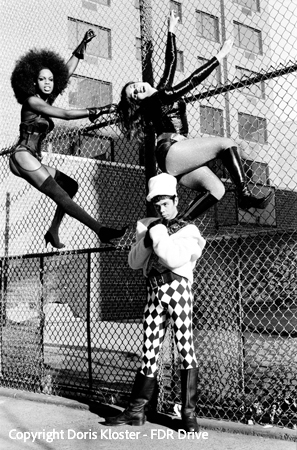
In 1987, Kloster began one of the most defining projects of her career: a photographic exploration of New York’s BDSM and transgender subcultures.
At a time when these communities were rarely documented with respect or nuance, Kloster approached them with a lens that was neither voyeuristic nor judgmental. Instead, her photographs present these environments as spaces of performance, identity, power dynamics and personal freedom.
The result is work that feels simultaneously anthropological and poetic — images that capture both the theatricality and the emotional depth of alternative communities.
Beyond Photography
Kloster’s influence also expanded into other cultural fields.
She produced album cover photography for major musicians, including work connected to the iconic album Heartbeat City by The Cars, as well as projects involving artists like Foreigner, Lovelies, and Lydia Lunch.
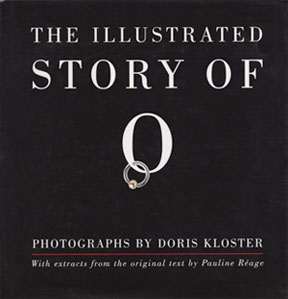
Her artistic practice also includes filmmaking and conceptual photography. In 2000, she created a photographic interpretation of the legendary erotic novel “Story of O”, producing a series of fifty color images photographed in historic French locations such as the Château de Saint-Loup and the Conciergerie in Paris.
The series explores themes of ritual, power and surrender, blending historical architecture with contemporary visual storytelling.
Championing Women in Art
Kloster’s contribution to the art world extends beyond her own work.
Between 2012 and 2014 she curated “She Views Herself”, an exhibition series dedicated to self-portraits by contemporary women artists from around the world. The exhibitions took place across several Parisian cultural venues, including Galerie Sator and institutions such as Air France’s headquarters near Les Invalides.
Her commitment to supporting female artists led to her invitation to join the National Advisory Board of the National Museum of Women in the Arts in Washington, D.C.
An Artistic Legacy
Today, Kloster’s books and artworks are part of the collections of major institutions, including:
Bibliothèque Nationale de France (Paris)
Schlesinger Library – Harvard Radcliffe Institute (Cambridge)
Schwules Museum (Berlin)
Bishopsgate Institute (London)
Her work is frequently cited in academic studies on feminist art, sexuality and visual culture, particularly in discussions about the role of sexually explicit art created by women during the late twentieth century.
Art as Freedom
Doris Kloster’s work reminds us that art does not exist merely to decorate the world — it exists to expand it.
By transforming themes such as power, ritual, sexuality and identity into visual language, she created work that is both provocative and deeply human.
In Kloster’s universe, beauty and transgression are not opposites. They are part of the same story.
And perhaps that is the most powerful role art can play: reminding us that human experience is always more complex — and more liberating — than the rules that attempt to contain it.
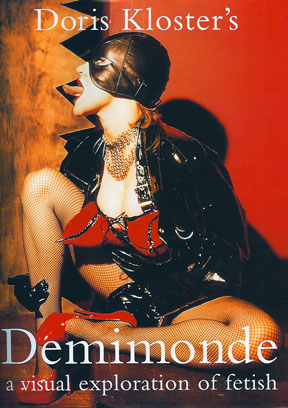
Doris Kloster's Demimonde:
A Visual Exploration of Fetish
by Doris Kloster
Publisher: Carlton Books UK,
Thunder's Mouth Press, 2003
The Illustrated Story Of O
by Doris Kloster
with extracts from the original text by Pauline Réage
Introduction by Jean-Jacques Pauvert
Publisher: St. Martin's Press, La Musardine France, 2001
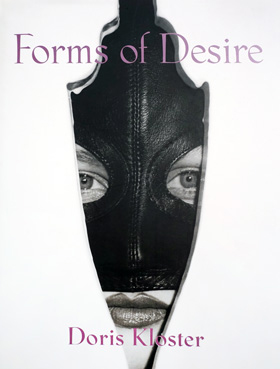
Forms of Desire
by Doris Kloster
Foreword by Pat Califia
Publisher: St. Martin's Press, 2000
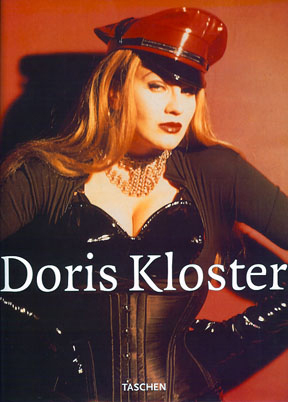
Doris Kloster: Photographs
by Doris Kloster
Publisher: Benedikt Taschen Verlag, 1996