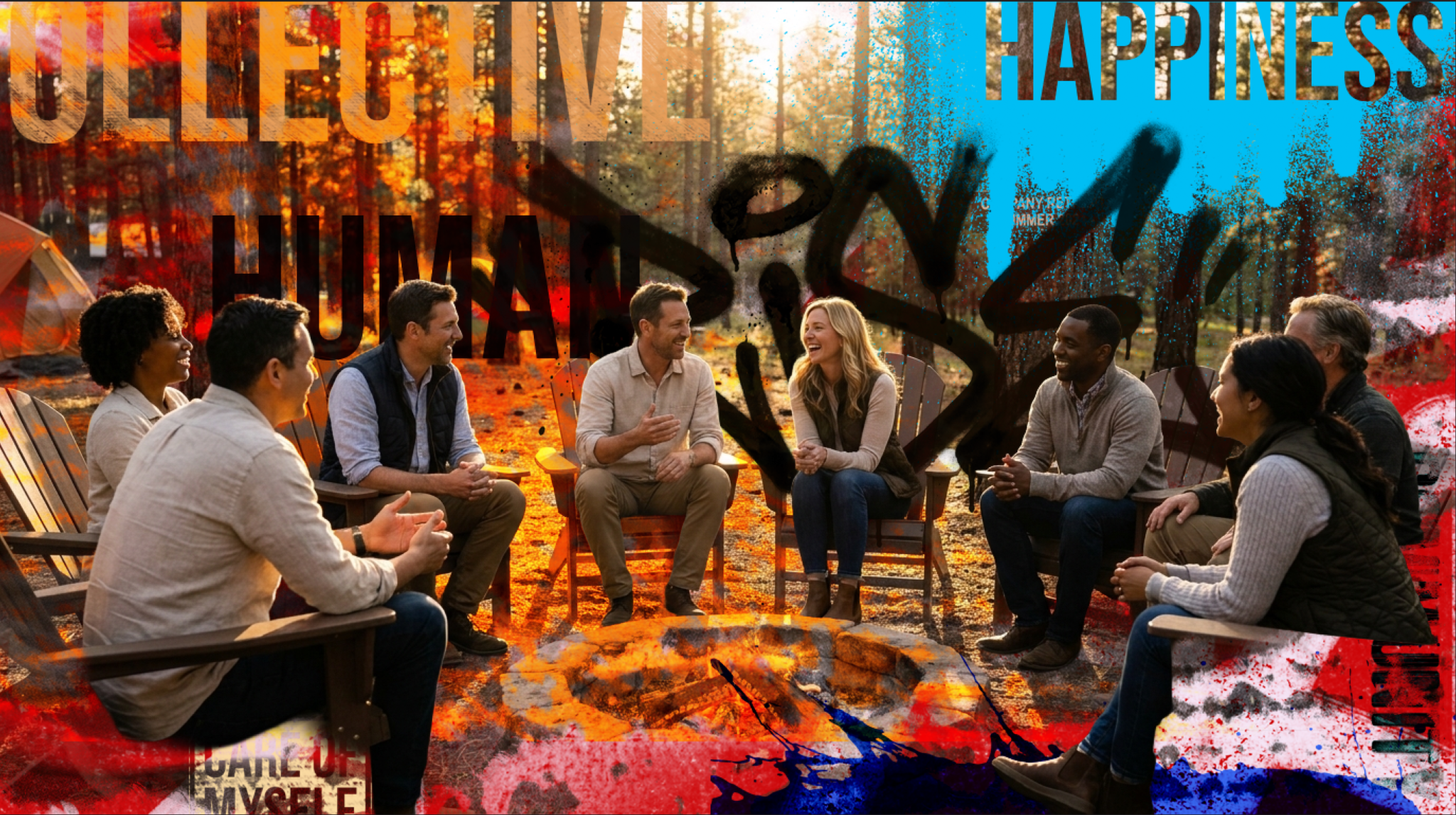
There is a group for everything now. Running crews, CrossFit circles, church gatherings, niche hobbies, digital threads that stretch endlessly across our screens. At first glance, it feels like we are more connected than ever, constantly surrounded by people, ideas, invitations. But if connection is everywhere, why does belonging still feel so rare? The truth is that proximity is not the same as intimacy, and participation is not the same as commitment. We have mastered the art of showing up without necessarily being held by what we show up to.
This is not accidental. It reflects the logic of the time we are living in, a moment shaped by an intensified form of individualism where the self has become the central project. We are encouraged to refine who we are, to optimize our lives, to pursue autonomy as if it were the ultimate form of freedom. And in many ways, it is. But when everything begins and ends with the individual, something quietly fractures. The collective becomes secondary, optional, sometimes even inconvenient. What used to be built through continuity and shared responsibility now dissolves into lighter, more flexible, more temporary forms of connection.
We move between groups with ease, but rarely stay long enough for something to take root. And maybe that is the point. Because permanence demands negotiation, discomfort, and care, things that don’t always align with a culture obsessed with personal control. So we start to wonder if what we are experiencing today are not communities in the full sense of the word, but prototypes of them: structures that resemble belonging, but lack the depth, the friction, and the durability that make it real.
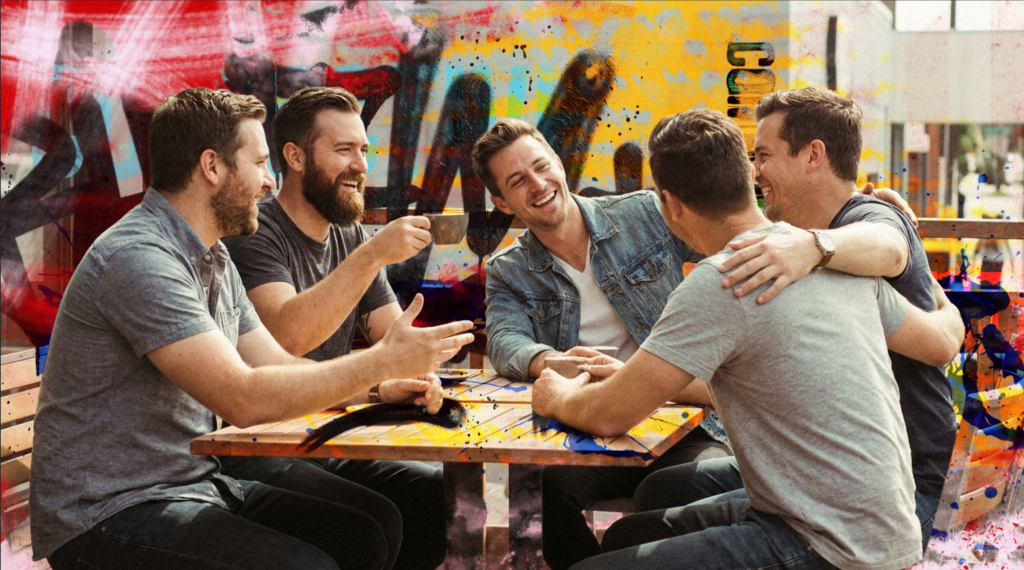
Even the language has shifted. Brands, creators, public figures all claim to have “communities,” but what they often hold is attention. Followers, audiences, metrics disguised as connection. And while there is nothing inherently wrong with gathering people around a shared interest or identity, there is a difference between being seen and being known. Community cannot be manufactured or distributed like a product. It does not scale neatly, and it certainly does not emerge from the top down. It is built slowly, through repetition, through presence, through the kind of mutual recognition that cannot be automated or optimized.
At the same time, the desire for belonging has not disappeared, if anything, it has intensified. For many, it is no longer about preference but about survival, about finding spaces where existence feels less negotiated and more affirmed. Yet even this search carries its own contradictions. In the attempt to create safety, we often gravitate toward environments that are increasingly homogeneous, spaces that protect identity by limiting difference, where the outside becomes something to guard against rather than something to engage with. Belonging, in these cases, risks turning into enclosure.
And while all of this unfolds, another layer of difficulty quietly shapes our lives: the growing challenge of forming real bonds as adults. Not because the desire is absent, but because the structures that once supported these connections are eroding. The so-called “third places”, those informal, in-between environments where relationships could develop without pressure, are disappearing or becoming transactional. What remains is a landscape where connection must be intentional, scheduled, negotiated, often squeezed between productivity and exhaustion. It is no surprise that so many relationships begin with intensity and fade with equal speed.
So we are left navigating a paradox. We want freedom, but we long for grounding. We defend our individuality, but feel the absence of something shared. We are constantly in touch, yet often untouched.
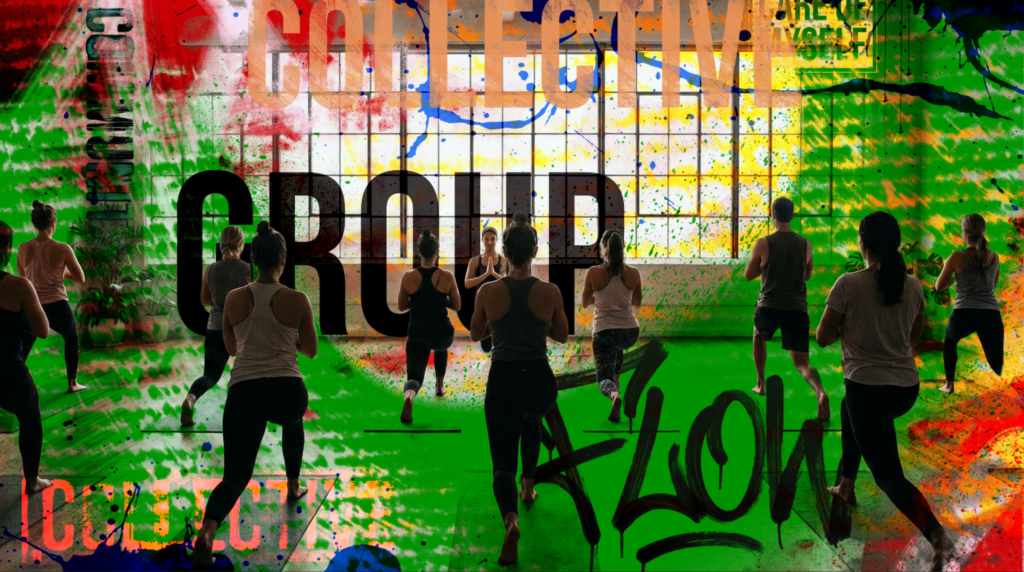
And in the background of all of this, there is a quiet, persistent absence: the rituals, the symbols, the collective rhythms that once gave shape to belonging and made it tangible.
When these disappear, the question becomes harder to ignore. If we can no longer rely on inherited structures of community, what replaces them? What do we hold onto when the spaces that once held us begin to dissolve? And perhaps more importantly, are we still willing to do what real belonging requires of us, or have we become too accustomed to connections that can be entered and exited without consequence?
Maybe this is where the tension of our time truly lives, not in the lack of options, but in the difficulty of staying. Not in the absence of people, but in the absence of depth. Because in the end, belonging is not about how many spaces we can access, but about whether any of them can actually sustain us.
We’ve learned how to build the self.
What we’re forgetting is how to sustain anything beyond it.