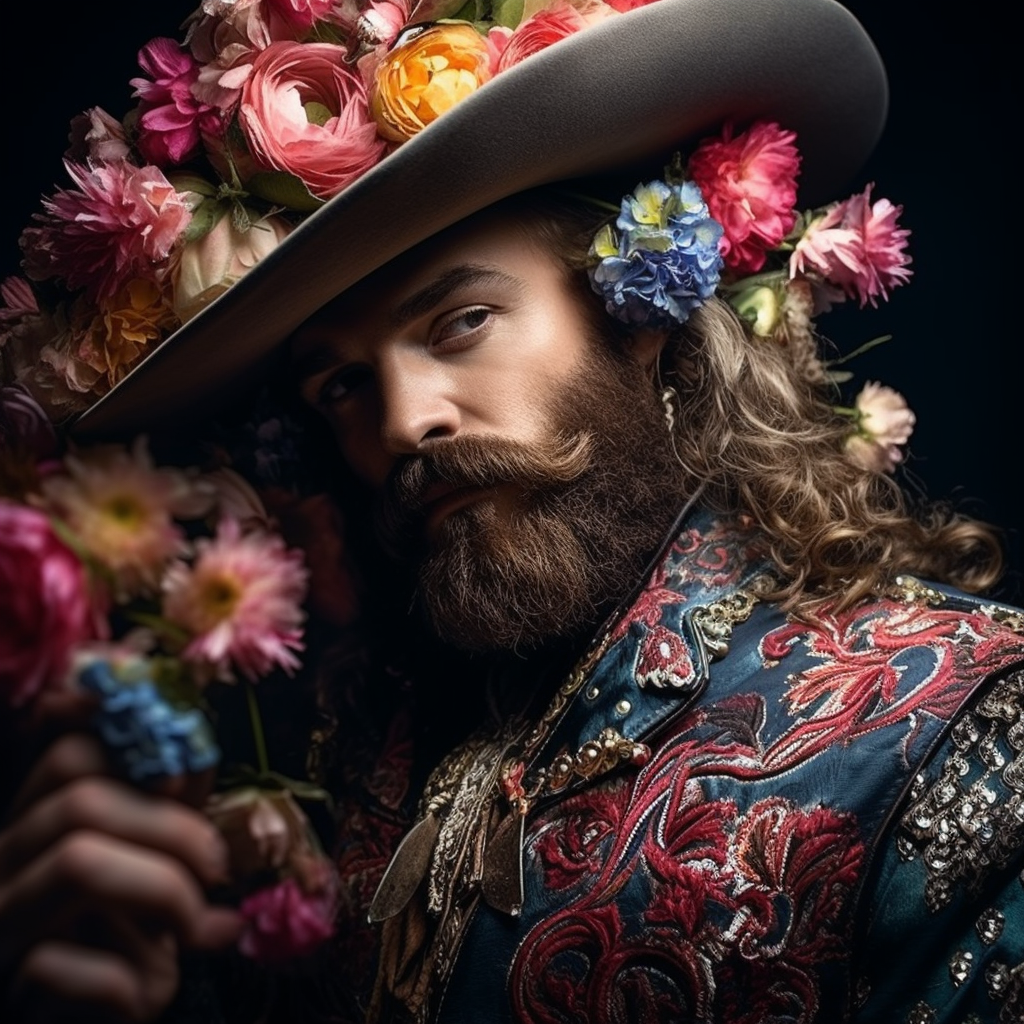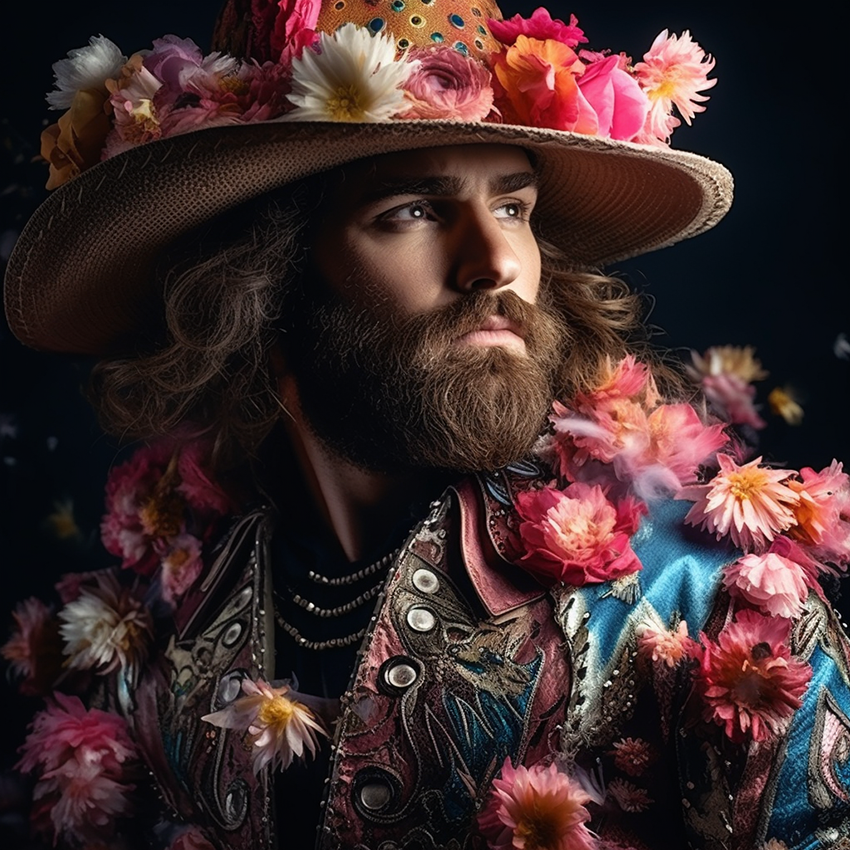
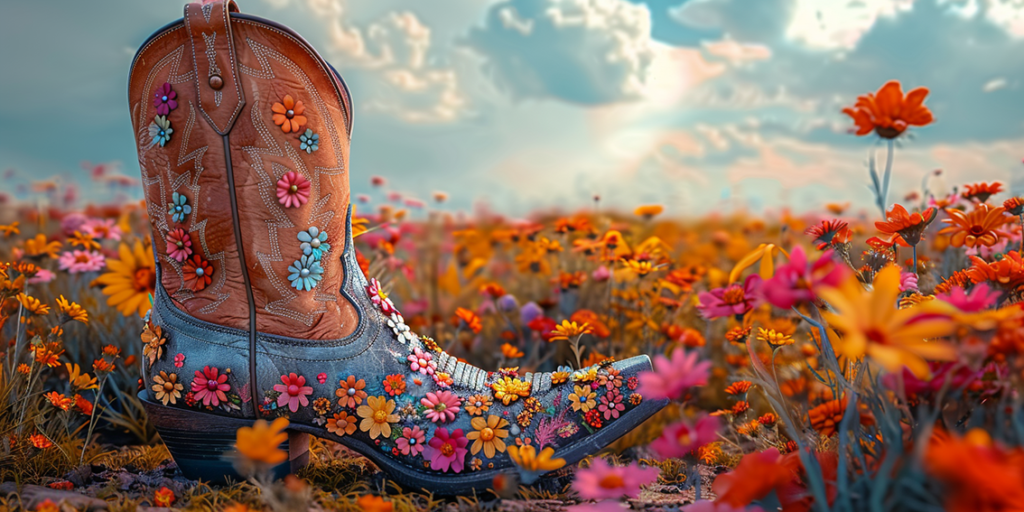
For generations, masculinity came with a script — especially in places like Texas, where strength was often measured by silence, toughness, and certainty. Cowboys didn’t talk about feelings. Men were expected to be confident, self-contained, and emotionally guarded. But today, a quiet transformation is unfolding. Across LGBTQ+ communities in Texas, masculinity is being rewritten — not through rejection, but through expansion. The definition of what it means to be a man is growing wider, softer, and more human. You can see it in spaces once considered niche: bear gatherings filled with warmth and laughter, queer rodeo culture reclaiming Western imagery, social groups centered around friendship rather than appearance, and conversations where vulnerability is no longer mistaken for weakness. The rise of bear culture, for example, did more than celebrate bigger bodies. It challenged a long-standing expectation within gay culture itself — the idea that desirability depended on youth, perfection, or physical uniformity. In its place emerged something radical in its simplicity: authenticity. Hair, age, weight, softness, strength — all became part of the same story.
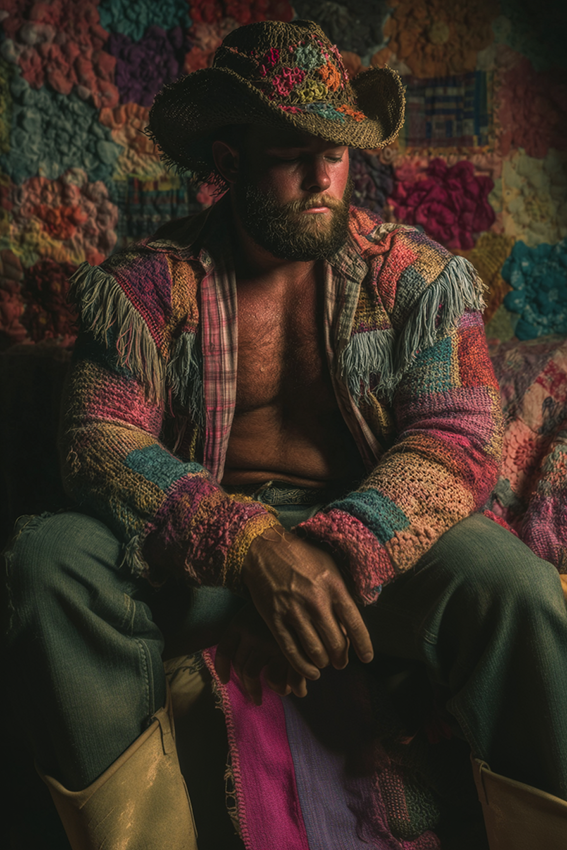
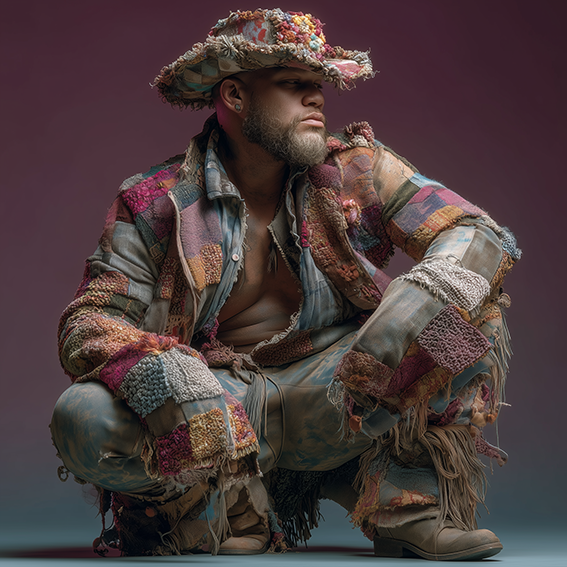
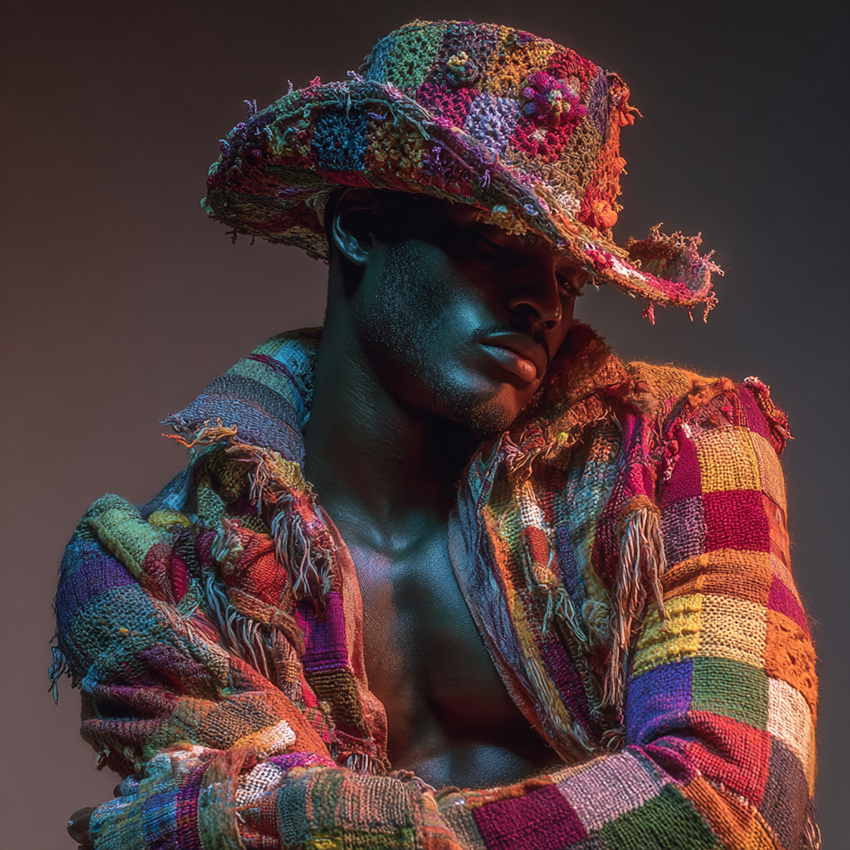
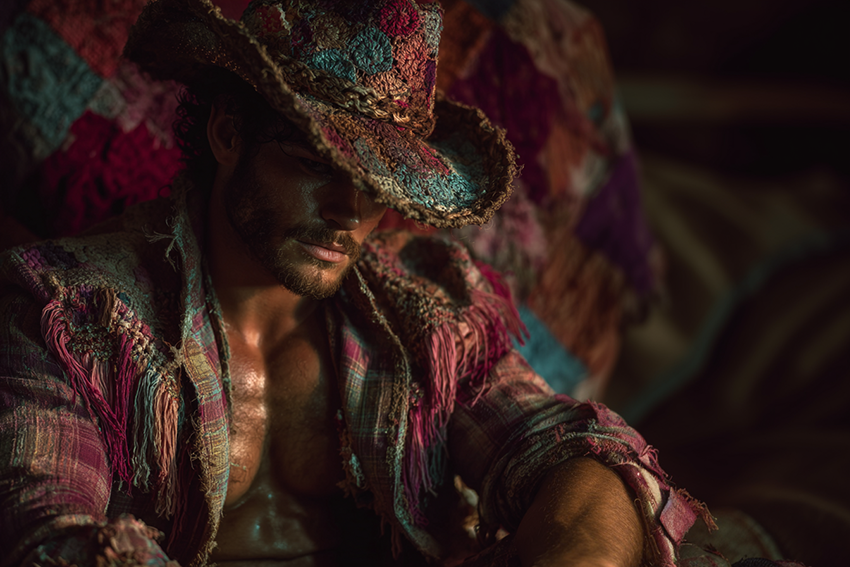
At the same time, the image of the cowboy, one of Texas’s most powerful symbols, has quietly evolved. The queer cowboy exists not as contradiction, but as continuation — proof that identity and tradition can coexist. Boots and honesty. Independence and tenderness. Perhaps the most meaningful shift, however, is happening across generations. Many gay men in their 40s, 50s, and 60s are rediscovering themselves in ways earlier decades rarely allowed. After years shaped by survival, social expectations, or invisibility, there is now space to explore emotional openness, friendship, and self-acceptance without apology. Aging, once feared within gay culture, is increasingly becoming a stage of confidence rather than disappearance. Younger generations, in turn, are growing up with broader models of masculinity. Sensitivity, care, and emotional intelligence are no longer seen as opposing masculinity — they are becoming part of it. This evolution is not loud or confrontational. It doesn’t demand that one version replace another. Instead, it invites plurality. Strength can look like protection, but also like empathy. Confidence can exist alongside vulnerability. Masculinity can hold contradictions and still feel whole.