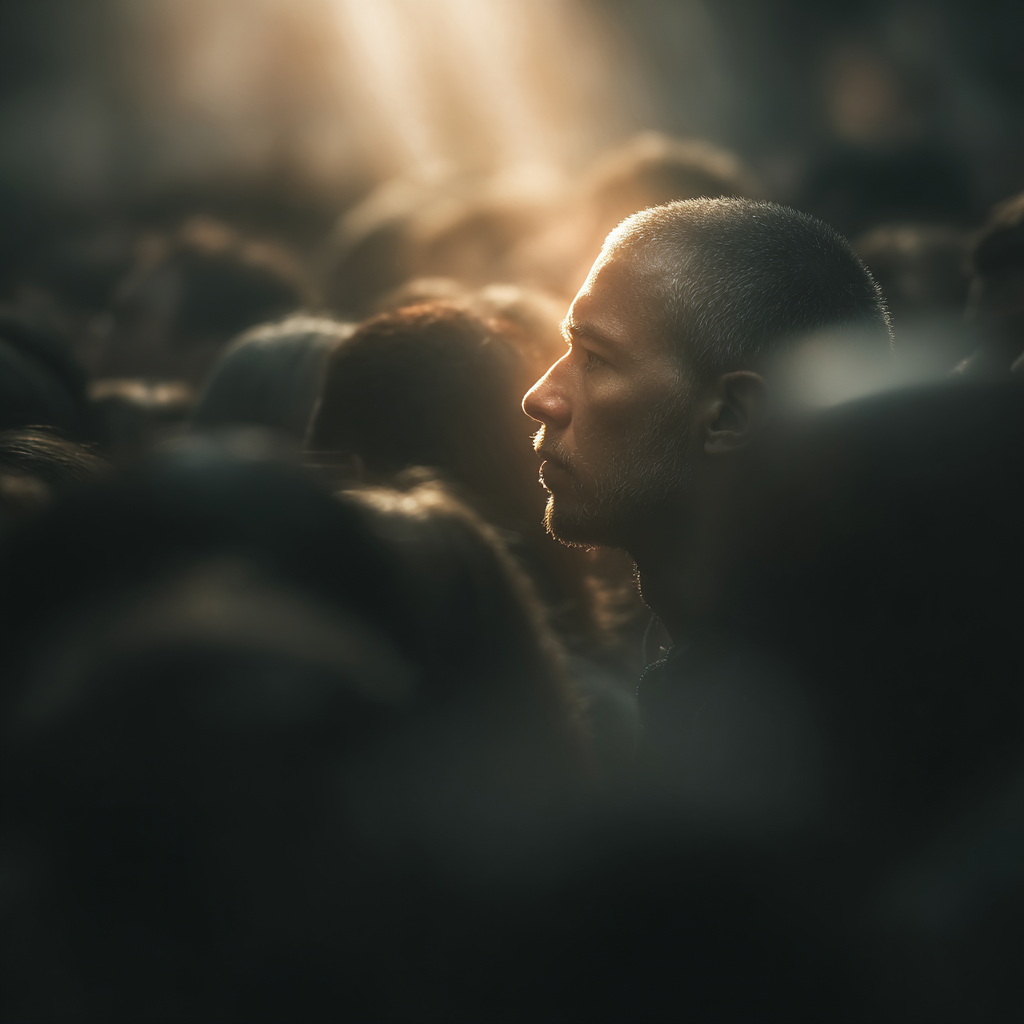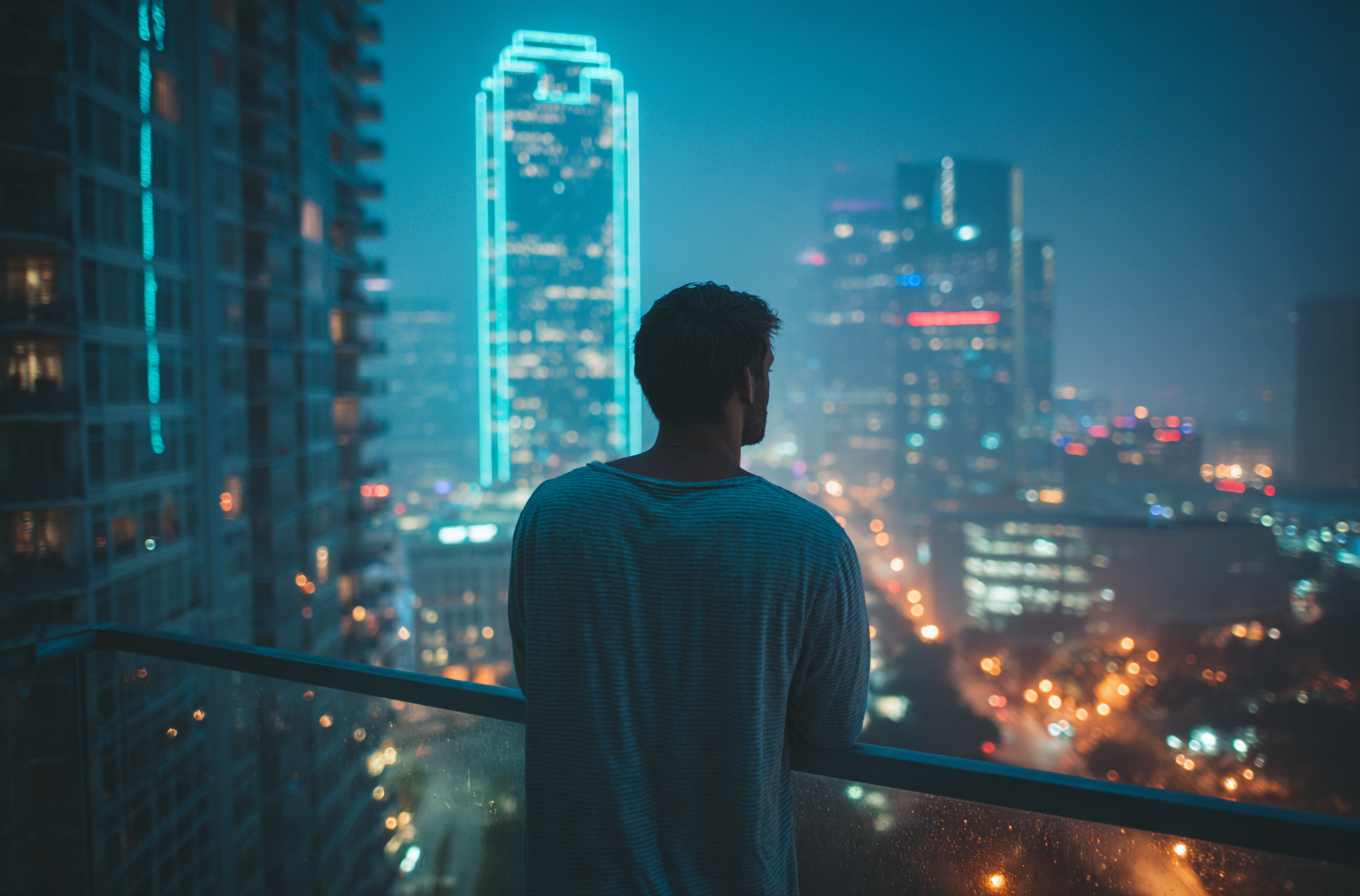
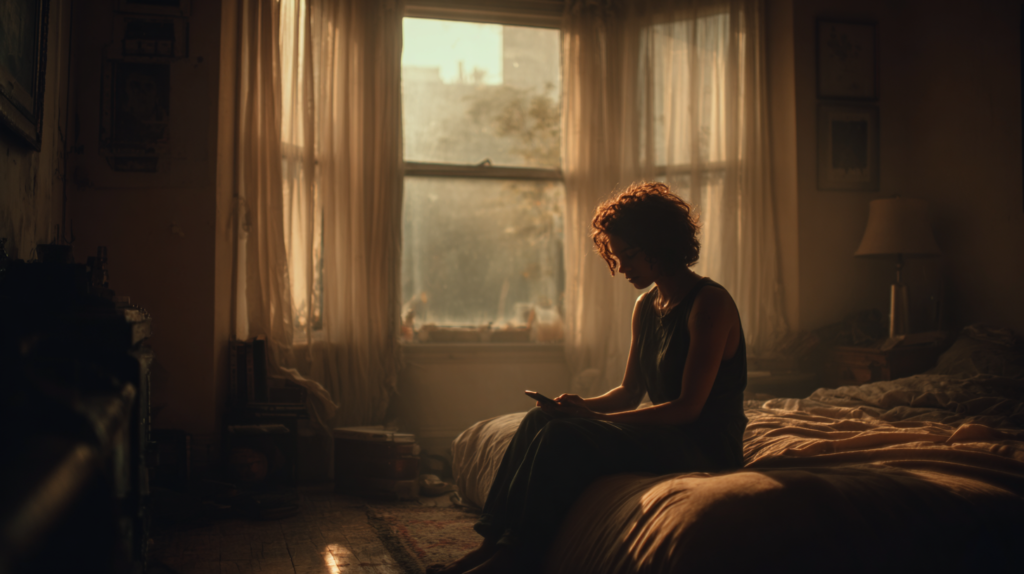
There’s a quiet exhaustion moving through queer life today — subtle enough to go unnoticed, yet familiar to almost everyone. It doesn’t come from lack of connection, but sometimes from too much of it. In cities like Dallas, where community life is vibrant, social calendars are full, and belonging often happens in public spaces, being part of something beautiful can also become emotionally demanding. Queer spaces have always been built around visibility. For many of us, visibility once meant survival — finding each other, creating chosen families, celebrating freedom that previous generations fought hard to achieve. And yet, somewhere along the way, visibility also became expectation. We show up, we socialize, we present the best versions of ourselves. There are events to attend, bodies to maintain, conversations to keep alive, profiles to update, messages to answer. Even rest can begin to feel like absence. This is where social burnout quietly appears. Not as rejection of community, but as saturation. The feeling of leaving a crowded room and needing silence more than excitement. The strange loneliness that sometimes follows a weekend filled with people. It’s not ingratitude — it’s emotional fatigue from always being “on,” always participating, always performing some version of ourselves that feels socially legible.
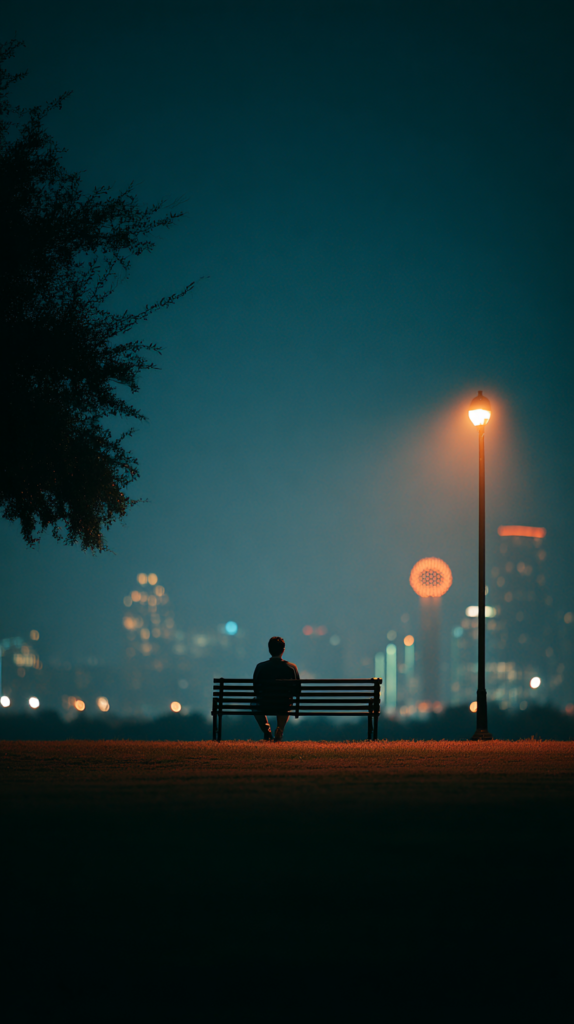
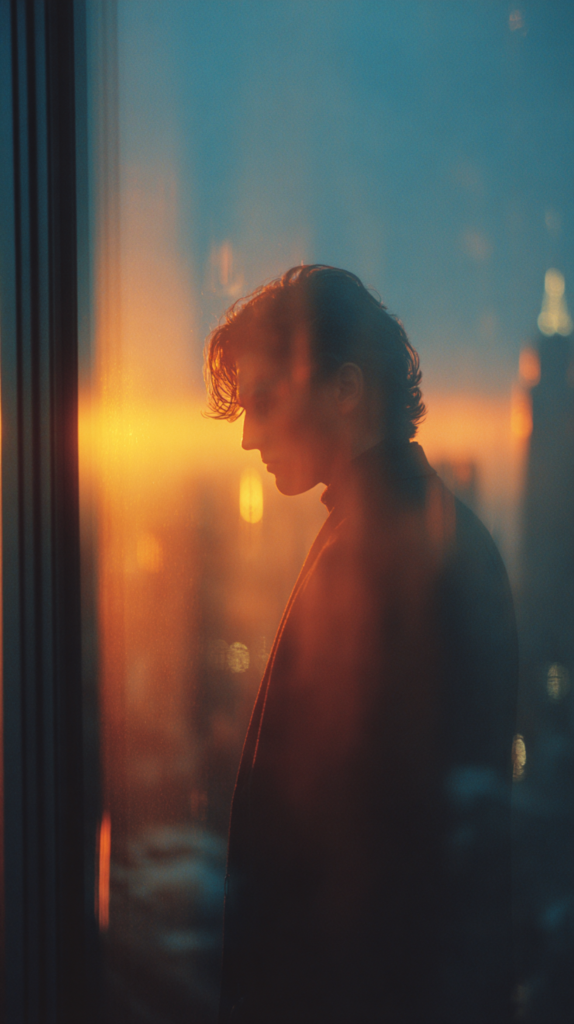
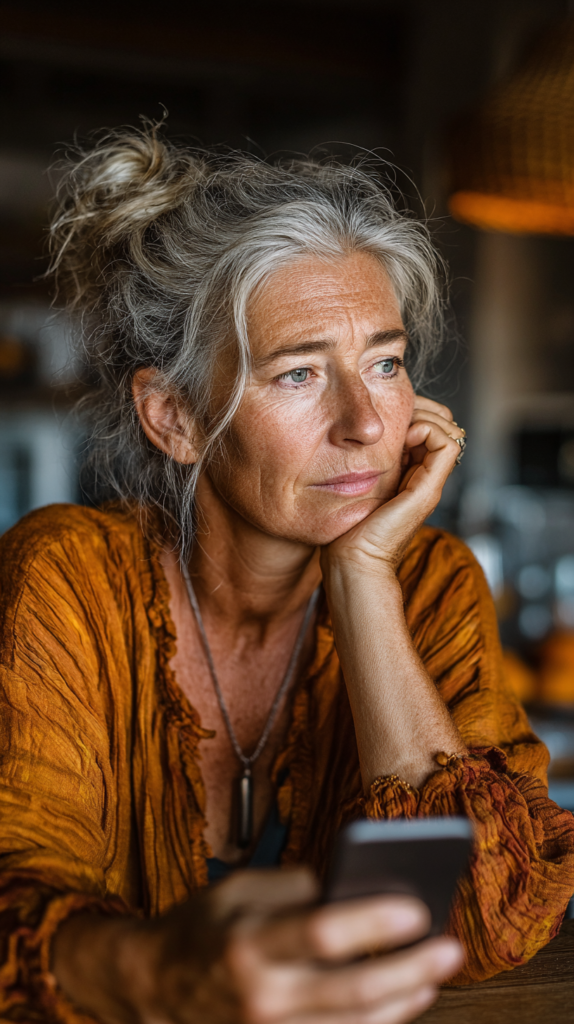
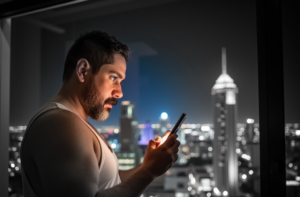
At the same time, technology has reshaped intimacy faster than we have emotionally adapted to it. Dating apps expanded possibility in ways that once felt revolutionary. Suddenly connection seemed limitless, borders dissolved, and meeting someone new became effortless. But infinite choice carries its own psychological weight. Conversations begin quickly and disappear just as fast. Attraction is decided in seconds, often reduced to images captured under perfect lighting. Ghosting became normalized, not necessarily out of cruelty, but out of overstimulation. Small moments of rejection accumulate quietly, leaving behind a lingering question many people hesitate to admit: am I enough, or just temporarily interesting? After long nights scrolling, a specific kind of anxiety settles in — one that doesn’t come from rejection alone, but from comparison. We measure ourselves against curated lives, sculpted bodies, effortless confidence. Within queer culture especially, aesthetics can feel intertwined with worth. Self-care, fitness, fashion, and grooming are powerful forms of expression, but the line between self-expression and self-surveillance can become almost invisible. Improvement stops feeling like joy and starts feeling like obligation. Dallas reflects this complexity beautifully. You see it in the diversity of masculinities and identities coexisting at once — polished professionals, soft-hearted bears, rugged cowboys reclaiming Western imagery, men rediscovering themselves later in life, people redefining attractiveness beyond youth or perfection. The community is expanding emotionally, even if old insecurities still echo beneath the surface. What many don’t openly discuss is how easy it is to feel alone while surrounded by connection. You can recognize faces everywhere, exchange smiles across rooms, maintain endless digital conversations, and still crave a space where nothing needs to be performed. True intimacy asks for slowness, vulnerability, and emotional safety — things that rarely thrive in environments built on speed and constant stimulation.